
Let’s face it: when it comes to education, equity and equality often get mixed up like two overly ambitious roommates in the same small apartment. Although they both aim to enhance learning opportunities, they’re about as similar as cats and dogs. We’re here to break it down for you, because understanding the difference can significantly impact how we structure our educational systems. Let’s dig into the nitty-gritty of equity versus equality in education and figure out how we can all benefit.
Understanding The Concepts
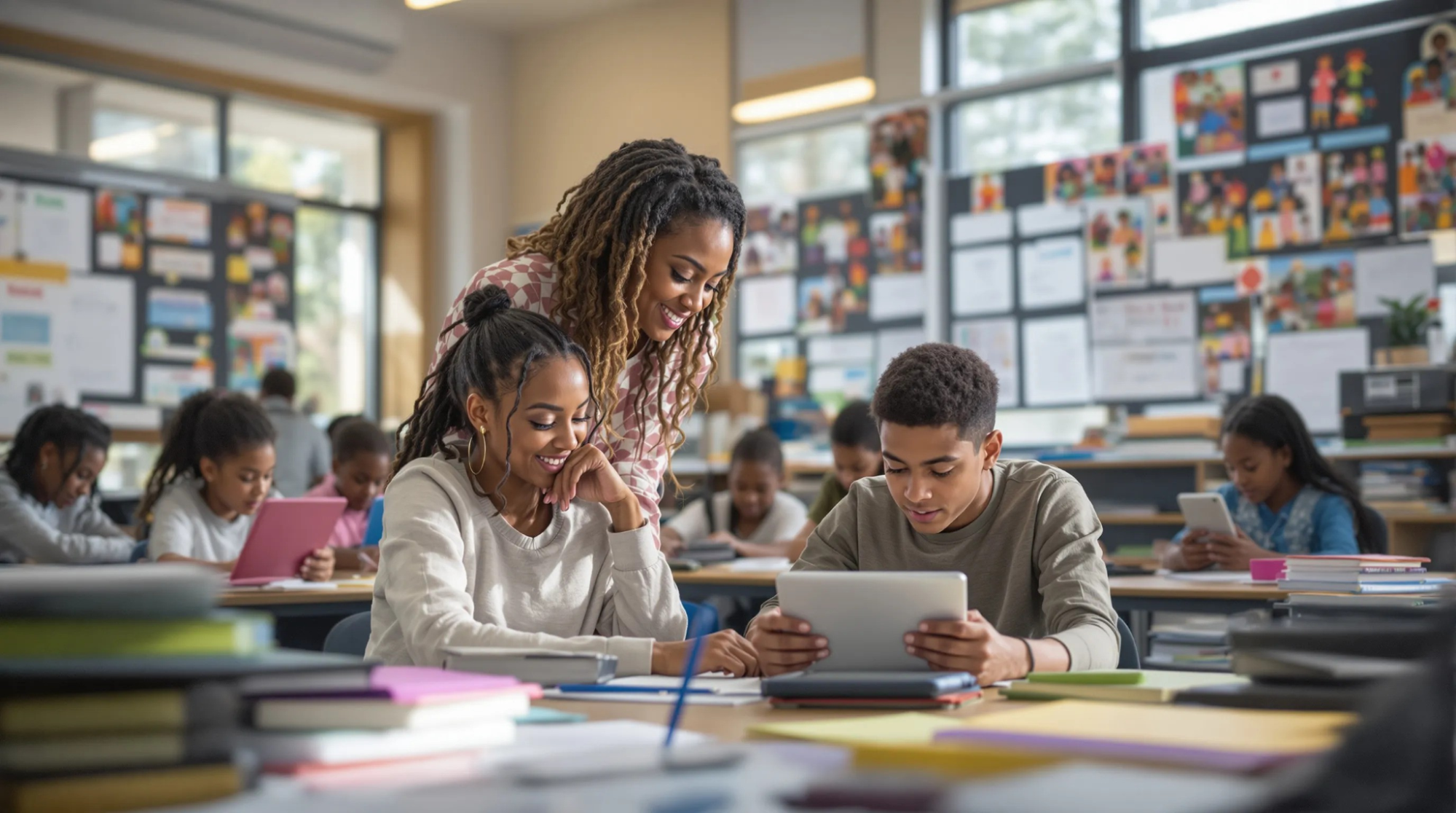
At the heart of this conversation lies the distinction between equity and equality. While equality aims for everyone to have the same resources, equity takes a different approach. It recognizes that individuals come with diverse backgrounds and needs. Picture a classroom: equality would mean giving every student the same textbook, regardless of their starting point. In contrast, equity means providing tailored resources, like additional tutoring or specialized materials, to help each student reach their potential. For us to genuinely understand these concepts, we must see them not just as terms but as actionable guidelines that shape our educational framework.
The Importance Of Equity In Education
Equity plays a critical role in creating a fair educational landscape. By addressing the unique needs of students, we empower those who may struggle due to circumstances beyond their control. Think about it: a student from a low-income family might lack access to technology or study materials, which can stifle their academic potential. By ensuring that this student receives the necessary resources they need, we contribute to leveling the playing field. So, equity is essential for fostering an environment where all students can succeed, contributing to a more enlightened and capable society.
The Role Of Equality In Education
Now, don’t get us wrong, equality also plays a vital role in education. Its emphasis on providing the same resources and opportunities for everyone fosters a sense of community. As a society, we benefit when every student has access to standard educational materials and experiences. Equality can cultivate a baseline from which equity can thrive. It’s like a sturdy foundation: without it, the intricate building of equitable practices might crumble under pressure. So while we champion the importance of equality, we must also be realistic about its limitations when addressing the diverse needs in our classrooms.
Challenges In Achieving Equity And Equality
Achieving both equity and equality in education is no walk in the park. Various obstacles stand in our way. For starters, budget constraints in educational institutions can limit the resources necessary for equitable practices. Also, societal biases can influence perceptions about who deserves what kinds of support. Let’s not forget about the challenges posed by geographical disparities, students in rural areas may have limited access to advanced courses compared to their urban counterparts. To tackle these issues, we need a concerted effort from policymakers, educators, and communities. It’s a tall order, but each challenge presents an opportunity for innovation and improvement.
Strategies For Promoting Equity In Educational Settings
So, how do we bridge the gap between equity and equality in our schools? First off, we need to embrace personalized learning approaches. Differentiated instruction is designed to meet students right where they are. That means adapting lessons and resources to their diverse needs. Besides, implementing mentorship programs can significantly enrich students’ experiences by providing them with role models who reflect their backgrounds. Finally, we should advocate for inclusive curricula that address different perspectives and histories. By doing so, we ensure that all students see themselves represented in what they learn, fostering a sense of belonging.